Dedicated Focus Zone
A specific physical location — even a particular chair or corner of a room — associated exclusively with deep work builds a contextual cue that can help you shift into focus mode more readily over time.
Practical toolkit
Frameworks, techniques, and routines curated by Flowstead to help you build — and keep — a daily structure that supports steady energy and reduces mid-day dips.
Why tools matter
Motivation is an unreliable fuel source. The people who maintain consistent daily output over months and years are not more disciplined than average — they've simply built better scaffolding. The right tools reduce the friction between intention and action, making your desired behaviours the path of least resistance.
At Flowstead, we deliberately favour low-complexity, platform-agnostic tools. The fewer dependencies your system has, the more resilient it is on difficult days — which are the very days that matter most.
Tool 01 — Timing
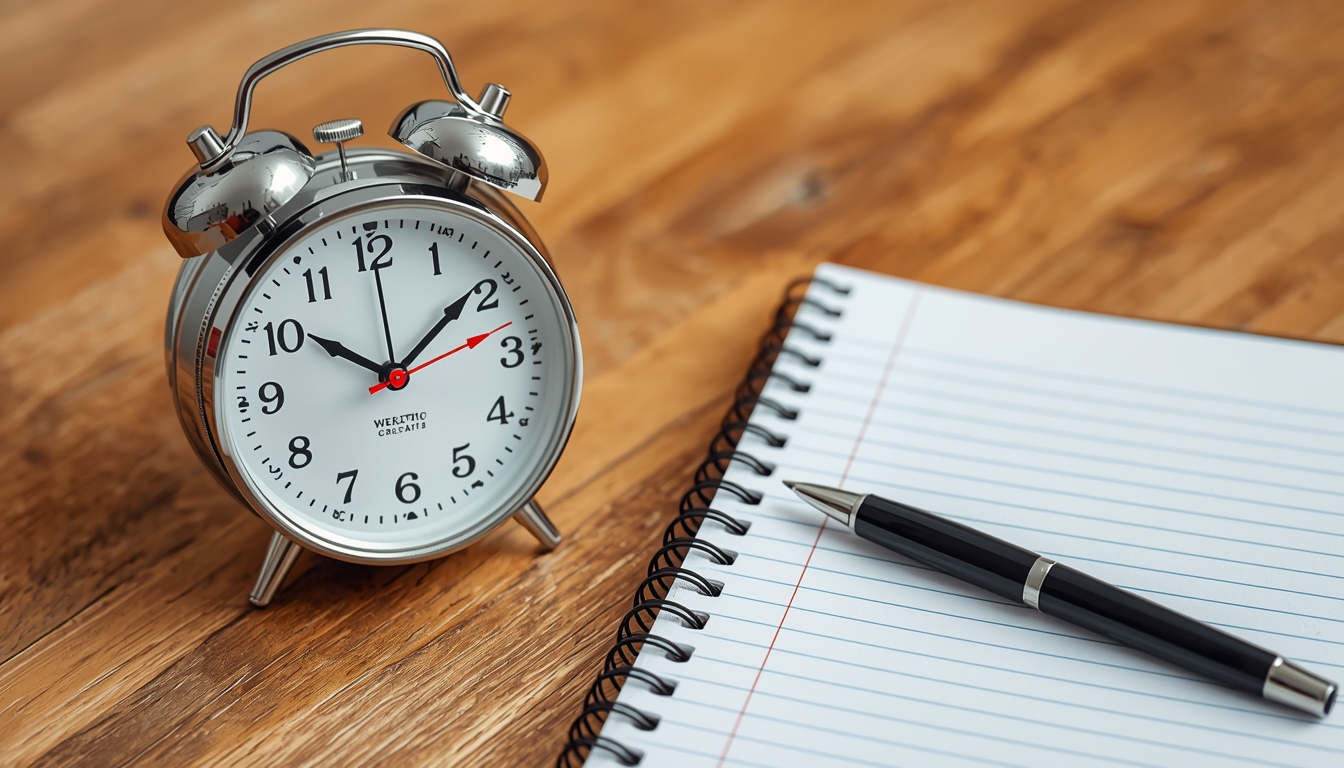
A simple physical or digital timer set to 90 minutes is one of the most powerful focus tools available. Starting it creates psychological commitment; the alarm gives you permission to stop without guilt. This eliminates two of the most common focus saboteurs: uncertain task duration and reluctance to begin.
Use a dedicated physical timer if possible — removing your phone from view during the block eliminates incidental notification exposure. When the timer sounds, stop your work mid-sentence if necessary. The act of leaving a task unresolved activates the Zeigarnik effect, making re-entry into the next block significantly easier.
A physical timer on your desk creates a visible, tactile commitment. Digital timers on locked phones work equally well.
Deliberately ending mid-thought at the timer's bell makes returning to the task feel natural and low-friction.
Tool 02 — Planning
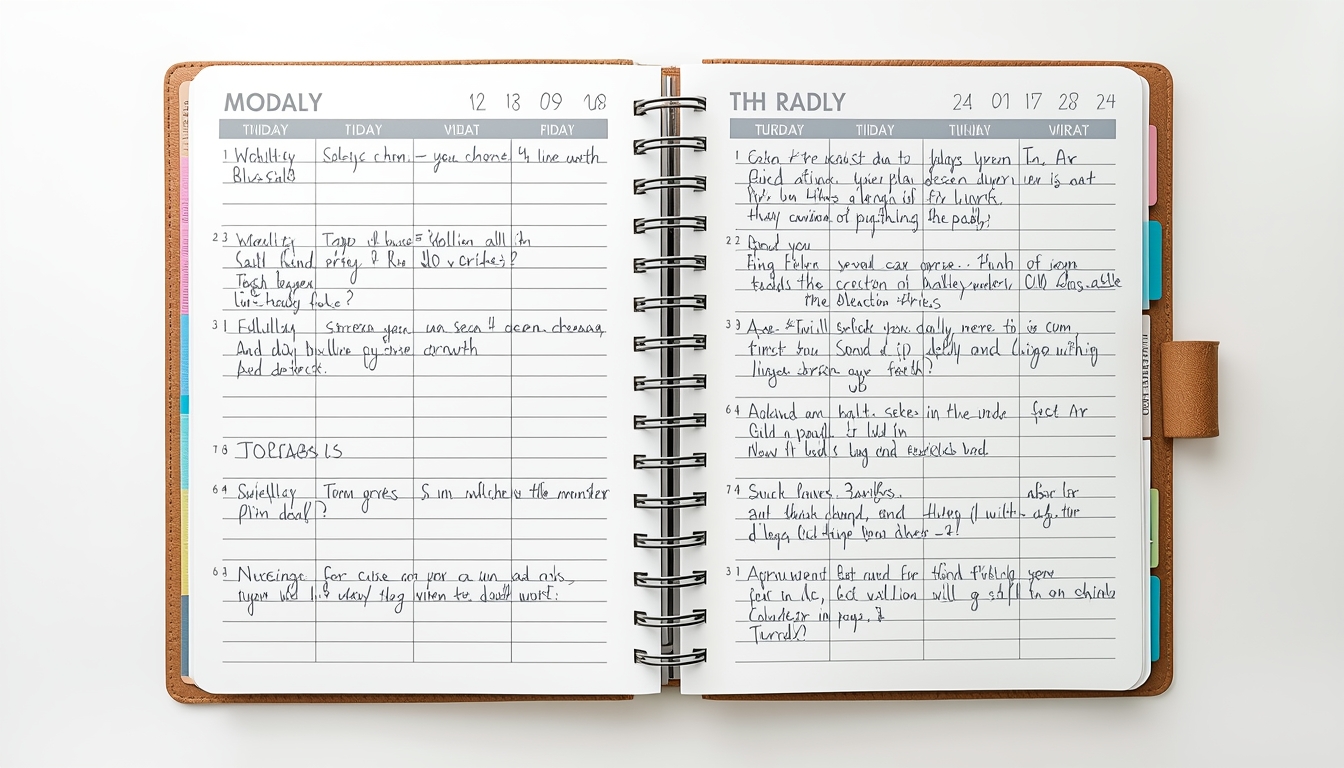
Rather than a long to-do list that extends your cognitive load and produces anxiety, Flowstead recommends selecting exactly three tasks each evening for the following day — one high-effort, one medium, one light. These become your anchors: non-negotiable outputs that, if completed, make the day successful regardless of what else occurs.
Additional tasks that arise during the day go into a "capture list" — a separate running note that doesn't compete for mental space with your three anchors. This separation preserves the clarity and calm of the main plan while ensuring nothing falls through the cracks.
Routine frameworks
These are the specific routine protocols Flowstead recommends building in sequence — each adding a layer of resilience to your daily structure.
Done at the start of each focus block. Involves three slow breaths, reviewing your single task for this block, and writing one sentence describing what "done" looks like. This micro-ritual fires the same neural pathways repeatedly, making focus onset faster over time.
Done after each 90-minute block. Minimum: stand, hydrate, and spend 5 minutes away from all screens. Optimal: a 12–15 minute walk outdoors. Research consistently shows that outdoor walking restores directed attention better than any indoor recovery activity.
Done at the close of the workday. Involves reviewing what was completed, capturing any open loops in your task capture list, writing tomorrow's three tasks, and saying aloud or writing "shutdown complete." This final step signals the brain that cognitive resources can be released from work-mode vigilance.
Held on Sunday evening or Monday morning. Review last week's completion rate, identify what disrupted your rhythm, plan the coming week's focus blocks in advance, and confirm your three anchors for each day. A completed weekly reset dramatically reduces Monday-morning decision fatigue.
Environment design
The physical and digital spaces in which you work profoundly influence focus quality — often more than willpower or scheduling ever can.
A specific physical location — even a particular chair or corner of a room — associated exclusively with deep work builds a contextual cue that can help you shift into focus mode more readily over time.
All non-urgent notifications disabled during focus blocks. Email and messaging apps checked at three scheduled times per day — typically end of morning block, early afternoon, and end of day.
Many people find that consistent, low-variation ambient sound — such as café noise or instrumental music — helps maintain concentration during focus blocks. Using the same audio regularly can also become a reliable cue that signals it's time to work.
Cognitive performance peaks between 21–22°C for most people. A room that's too warm accelerates drowsiness during trough phases. In a Sydney summer, this often means starting deep work before 10am when temperatures are still manageable.
A cluttered desk activates low-level distraction processing that competes with focus. A minimal visual field — only the materials relevant to the current task — reduces this background noise significantly.
Research suggests that a visible smartphone on your desk — even face-down and silenced — can draw attention away from the task at hand. During focus blocks, placing it out of sight helps protect your concentration.
Tool questions